Tuesday, 1 May 2012

Target Audience Identification

In order to create any media product it is important to identify the pieces target audience, so that the encoder can manipulate the basic codes and conventions in a way that they will appeal to the chosen target audience.  Due to the dark nature and drug based plot of our trailer, coupled with the genre of drama/romance, we highlighted our target audience as 18-26 year olds, due to their more likely exposure to some of the key concepts within our trailer (such as being pressured into drugs). We have also concluded that these 18-26 year olds will be from a lower class background, where these issues are more frequently risen, even though with some prejudice

In order to ensure we are attracting this target audience, it will be important that we make our trailer appeal to them, and by the inclusion of violence as well as extensive drug use, we hope to appeal to this audience. The introduction of romance may also help to attract more feminine audience instead of just the predominantly masculine audience that the violence and drug use would appeal to.

Monday, 30 April 2012

Evaluation Question 2


When we began this project, we were given the task of created 3 media products (trailer,poster and film magazine cover), all relative to the same film, so in order to anchor the film within any given genre, it would be important that these all work in combination which ensures it helps gain the attention and interest of our target audience.
The first of these 3 products that we constructed was the trailer, this then ensured that we had a basis from which we could produce the other two tasks, as shots and images from the trailer could be used, ensuring that the audience are clear that all the two ancillary pieces relate to our trailer. For this reason I decided to use the three most featured characters from the trailer in my film poster as this will help highlight their central roles within both pieces, allowing the decoder to effectively see that the trailer and the poster are heavily related, the image used in my poster also enabled me to reflect the genre of the trailer, as the poses portrayed by each character reflected the drama within the film, and also represent the characters personalities within the film. I also had to ensure that the film poster and magazine cover did not divulge to much of the films plot, as a great deal is already present within the trailer, so by using only pictures of the cast and not and scenes from the film itself I was able to do this, its also important no scenes from the film are used as the material may be deemed unviewable to minors, and thus this content on the films poster may cause controversy with certain people who see it.
By using the image of daryl the drug dealer and not the main character rob for the magazine, it aided in giving more depth to the overall advertisement, as my target audience is 18-25 year olds, so they would more interested in an interview with a harsh and rough character, that a character who is clinically depressed, so this would mean that my magazine would attract the largest amount of attention as possible. There is also not much information about daryl present within the trailer, so this interview would provide a more expanse perspective of the film, which aids some understanding with trailer giving my audience a better view into each character within the film.
As well as the images throughout the project it was important that the overall appearance of the three pieces retained some of the same conventions, with the key example of this being the title,as this is one the most recognisable elements of the advertising. So for this I have ensured that the trailer and poster have exactly the same font and style for the title, with it being a central part of the appearance of both. In order to sustain realism however, I have constructed the magazine cover so that the title is not as much of a key part, as this would not be produced by the film makers, it would be produced by the magazines creaters, and as they are not a part of the film, they would construct the cover so it fits in with their magazine, and they can use the film for advertisement, and so I made the image central to magazine, and used different writing fonts and styles for the title, that matched those on the rest of the magazines cover. The dark background I used for the poster, which reflects the dark nature of the trailer, also does not appear on the magazine, as the encoders of this would not want people to perceive their magazine of a dark basis, as it does not have any thing to do with the film, and they still need to attract their usual readers.

Friday, 27 April 2012

Evaluation Question 4

What have you learned from your audience feedback?

When it comes to producing any form of media product, it is important to utilise any feedback that you receive based on the production of the products in order to be able to improve what you have already constructed. Before we even began the process of creating our main task we constructed a practice video so we could develop and attempt various techniques that we could later use within our final piece. Before this however we needed to receive feedback to ensure that what we were doing was effective, and that our footage could be easily understood. In order to receive this feedback we presented our clip to the class (after editing) and then distributed a Questionnaire to them so they could provide us with feedback upon the key issues of constructing a media trailer, such as were the shots affective. Once we had received the feedback we were then able to identify our strengths and weaknesses, such as our successful camera shots, which enabled us to plan ahead, and decide that we would use a variety of shots to capture varying emotions throughout the trailer, rather than excessive acting, something we received some criticism on. We also received negativity in regards to the clips soundtrack, so it was important we took time to research a far more effective soundtrack for our trailer.
Once we had gained that initial feedback of how our skills were developing in regards to constructing the media, we had to decide upon an idea for actual trailer, and we then constructed a powerpoint presentation so that we could once again seek the criticisms and advice of our peers, this time to distinguish whether or not we had realistic goals in regards to the construction of the trailer, and what we could do to ensure it would be a success. We also requested that our media teacher, Mr Morris, give a short interview where he could deliver his feedback upon our initial idea, giving us influence on how we could film the necessary clips, as well as what techniques we could use to capture this footage, and what elements of filming we would possibly struggle with, and how to cope with these difficulties.
Once we had gained this feedback we used it in conjunction with our planning to create a storyboard for the trailer, which we then used to map out what we were filming. Before we completed any great deal of filming however, we decided to present a few of our filmed clips to our class and teacher, so we could again receive feedback on the basis of how well we were producing the clips, what techniques we were using well and what we could improve. Once we had presented these clips we asked a couple of our peers to provide us with a short comment, highlight the pros and cons of how we were filming the piece. This was some of the most important feedback we received, as it reinforced what we could do best, and from this we could utilise these skill within the rest of the filming to capture the best possible shots, but at the same time identified areas of the filming which we needed to improve upon in order to benefit the overall quality of our footage.
Now that we had sufficient feedback and criticisms we could proceed with constructing our completed trailer whilst taking note of what advice we had received from our peers and teacher. This aided us to create a full length film trailer which retained a good deal of basic media conventions such as a varying camera angles and even the saturation of colour ect. Despite this, we still felt that the trailer could undergo some improvements, so again we asked for the ever reliable opinions of our class, in order to again be granted another potential insight on how we could achieve these improvements. When we presented the trailer we were immediately hit with criticism based upon the chronological order of our trailer, as it appear to be in an accurate and exact order, which was not a standard convention of media trailers, and also gave too much of the plot away, almost the whole film. This led to a “shake up” of our trailers clips (including the introduction of some new footage), so that they still made sense, yet did not give such a substantial incline of the story away. It was this feedback that also led to the creation of our montage at the end of the trailer, as it effectively enabled us to “mix up” the plot within the trailer, so it again prevented to much of a give away, but it was also later perceived by our peers to be visually attracting and aids to the culmination of a climax at the end of the trailer. This was again well received by our peers and as it had achieved what we desired, it was classed as a success and became a fully integral part of our trailer. From this task I have learnt that audience feedback is essential in creating any media text, as it provides a far clearer insight on what works within your product, as well as what you can improve on.
Once the trailer was complete we then moved on to the ancillary tasks, where we were issued with the task of creating a film poster and film magazine front cover, of which our film is the feature article. Feedback I gained from my teacher was highly important in the conversion of my first draft to second draft, as he pointed out what conventions I was essentially missing, as well as vital information regarding the layout of the pieces. It was this feedback that enabled me to construct convention rich media products, which conformed to that of any standard media products, as well as attracting my target audience.
                                                                                                                      

Tuesday, 24 April 2012

Evaluation Question 3

In order to create an effective, attractive and successful media product it was important and essential to utilise various types of technology to achieve these credentials. Prior to even the creation phase of the task, technology also played a vital part in research the codes and conventions of trailers, as well as enabling us to gain knowledge on our inspirations, and what made them effective.
When researching our task, nothing played a bigger role than that of the internet, which gave us the ability to search for already existing trailers, posters and magazine covers, so we had a more accurate idea of what we would have to do to assemble these successfully, retaining the standard codes and conventions of similar media products. We took advantage of the video streaming website “Youtube” in order to view the trailers of our films inspiration, by doing this we provided our self with a basic plan as to what our trailer should be like. This site also gave us the opportunity to view previous years work, which presented us with a better idea what our capabilities would be when we ourselves reached the filming stage of our project, this also enabled us to take note of any successful elements from these trailers, so that we could exploit them within our own trailer. In conjunction to youtube, we also used basic image searches and the IMBD website so we could view and perform analysis upon our trailers influences film posters, and any magazines that they may of featured in, such as the “Trainspotting” exclusive in Empire magazine. 


By viewing these images we were granted a better perspective of what conventions, and how each of these conventions would be manipulated to attract their target audience, which we had by then identified to be a similar, if not the same target audience.
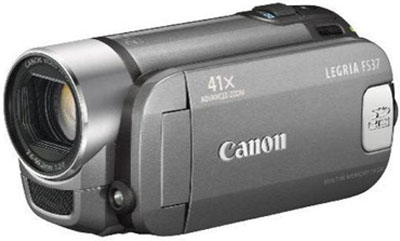
Once the research stage had been completed it was time to begin filming the trailer itself, and for this, the most important piece of equipment was the camera, as without it we would not have been able to film any footage whatsoever. We were however provided with a somewhat basic video camera, which had no serious functioning other than being able to record footage onto a flash memory card. This meant that we could only record in well lit areas, due to the cameras flash being obsolete, which ultimately had an effect on our “mugging” scene, which was a poor quality clip due to the lack of light. Despite this however, the camera was able to successfully record all the other clips, capturing displays of high emotion when necessary and retaining a good enough quality do each clip can be viewed and furthermore used within the construction of our trailer. In conjunction with the camera we also employed a camera stand, which enabled us to capture a steady shot that may not have been possible if the camera was being used in hand held format. When all the required footage had been captured it was essential that we copied this footage onto a computer so we could begin to edit the footage. Luckily we were able to use a computer which already had a flash memory card slot installed, so all that was required was for the card to be inserted, so the files could be saved onto the computers memory.


 Once the clips had all been the next element of technology we used was the editing software “Sony Vegas”. With this we were able to cut the clips down to suitable length and combine them together to create a smooth running trailer. We also took advantage of this software’s capabilities to saturate the colour of one clip, leaving it black and white, so it could easily be indentified as the past. The final function of “sony vegas” we employed was to introduce a soundtrack to the trailer, which had been chosen after searching on the technological presence of the internet.

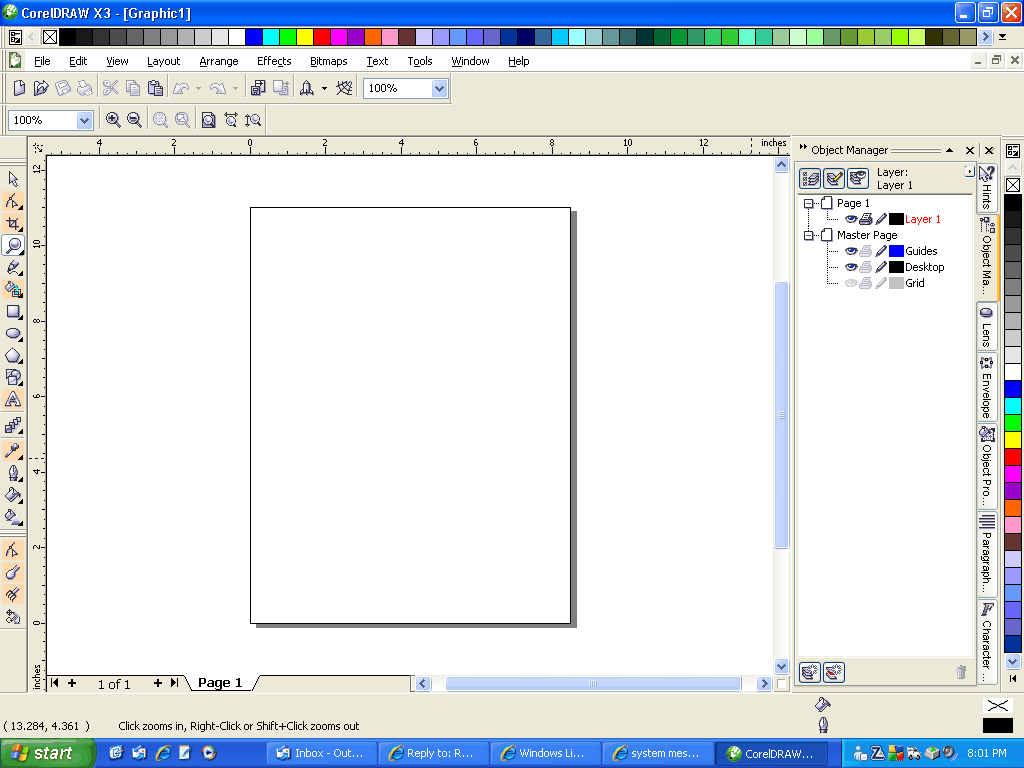
Now the trailer had been complete, we were left with the task of creating a film poster, as well as a magazine cover, featuring our film, to do this i utilised the capabilities of the software program “Corel Draw”, as this program gives you the ability to crop photos and place them anywhere on the designated sheet, as well as being able to insert a variety of text fonts, anywhere that they are required. This was particularly useful when creating the magazine cover, as a standard fim poster would retain a fair amount of information on the front, which would not all be relevant to the feature article, so by using corel i could effectively lay the foundations out, and then add varying aspects and details where required.

Evaluation Question 1

In what ways does your media product use, develop or challenge forms and conventions of real media products?

When creating any form of media, it is essential that you ensure it conforms to the forms and conventions of media products, this is to maintain that the decoder will be able to understand your piece, as well as receive the content you are trying to deliver, in the way (as the encoder) you desire it to be received.

To create our trailer, it was important that we highlighted the particular genre of our film, which ended upon a choice of a dark drama/romance so it was important our conventions challenged this genre, in order to ensure it appealed to our identified the target audience, whom the film would be aimed at, and then manipulated the forms of conventions of media into a way where they would appeal to our target audience. In order to help enforce our genre, we established a combination of camera shots that helped us to portray the emotion relevant to this genre, such as close ups to show the degree of devastation and emotions our characters feel throughout the trailer, helping to convey the depth of the “dark Drama”. We have also contributed medium ranged shots to help develop the extent of the romance within our trailer, as these shots help to show “rob” and “Alice” together, as a couple. We also manipulated “Dolly” shots, in order to add a sense of realism to the footage, as well as helping our target audience to immerse themselves within the trailer, drawing them towards the film. Close ups were also employed in order to highlight the use of drugs, one of the films key concepts.
We also took advantage of slightly more obscene media conventions, such as the use of saturated colour in order to highlight that the effected footage was in the past, and not so much the present like the majority of the trailers content. This helps our target audience to gain a better perspective of what is occurring within the trailers content. This is more of a convention which we challenged, as this would not often be seen within a trailer, due to the fact it gives a vast understanding of the plot away, as well as insinuating a basic chronological order which helps to anchor our somewhat confusing plot, enabling the audience to grasp a better understanding of our trailer plot.

 
(the black and white establishing the connection to the past)

In conjunction with the diversion of colour, we have also utilised screen captions, to again highlight various concepts of the film, once again aiding the target audience to relate to certain concepts of our genre, thus intensifying the media forms and conventions found within our trailer, the presence of captions also enabled us to include quotes from various media outlets, giving their opinions on the film, and these can be extremely important as many viewers will take account of what the critics say when determining if a film is worth watching or not. We also included a basic voiceover within out trailer, not only to utilise another convention but to provide more substance to the trailer, aiding our target audience in understanding the context of the film. Another convention of film trailer media we decided to use was the concept of a montage within our trailer, this was a quick cycle of various high content clips, which pursued to make the trailer that bit more dramatic, yet the speed of the montage ensures that whilst the clips were all clearly visible, they were not slow enough to give to much of the films content away. In order to aid the audiences understanding of the trailer and plot, we employed a voiceover in the form of the main character describing what has happened at the beginning of the trailer, this anchors the plot and the trailer in to ensure that it does not become to confusing. The inclusion of the voiceover also means that we have another basic convention of film trailers, which actual trailer production companies would include, much like we did, to ensure the audience retain some basic understanding of the plot, this can be witnessed in one of our inspirations, trainspotting, where the main character delivers a monologue in the trailer that provides so detail to the concepts of the film.
In conjunction with our trailer, I have separately produced two other media texts, a media magazine front cover featuring our film, as well as a film poster for the trailer. The magazine confined to the basic conventions of the media text, as it features all the basic elements of a magazine cover such as the masthead and puff ect, and in terms of a film magazine I have used a picture of the biggest “star” in our trailer for the main image as in terms of reality, this would attract the most interest. The poster I produced however challenges the basic conventions of a film poster, as there is no hint of the plot within the poster, ie no significant buildings or action, due to the dark nature of film, as I felt this would not be appropriate for all the potential witnesses, to combat this ill have done is included the characters in the poster, which helps to retain a sense of unpredictability, ensuring people will still be eager to view the film.


here we can see the poster of a Hollywood film poster, which shows a good amount of action included from the film, where as my poster only shows the character, highlighting the mystery.

Friday, 30 March 2012

Required Props and Equipment


In order to ensure that our trailer looks as visually appealing as possible, with a strong degree of realism, it will be important that we use an accurate selection of props. I have wrote up what props and equipment will be required, so that on the day of filming we wont be with anything important and essential to the trailer.
Props:
·         Drugs (cocaine) the idea of using bicarbonate of soda was solidified due to how real it looks when compared with an actual dose of drug. Competent research was also performed in order to identify the Hollywood “substitute” to hard drugs, and bicarbonate of soda was Identified as this.
·         Syringe – we decided to use a real, fully functioning syringe in order to aid the realism of the clip. There may be an issue with capturing the actual injection of the syringe, as we do not have the expertise to do this safely, so it may be a requirement to suggest the injection, through varying camera shots.
·         Car – in order to genuinely show the audience that one of our characters was in fact killed in a tragic car accident, it is essential that we capture footage insinuating, if not showing this to a varying degree. In order for this to appeal real as possible we will need to use one of our own cars, and attempt to film this scene, yet due to the hazards involved, it may be a case of merely filming footage that much like the syringe scene, suggests that this has taken place.
·         Knife – in conjunction with the dark atmosphere within our trailer/film plot, I believe it to be essential that we film our mugging scene with a real (yet blunt knife), this once again aiding the realism of our clip, as a plastic knife would not have the same feel or appearance as a real one. It will however be important that the scene is well planned in order to ensure there is no risk of injury.
·         Fake Blood – although not an essential prop, and one that may not be used at all, the presence of fake blood in certain scenes would aid to the visual appeal of certain clips, such as the car crash scene if required.
Equipment:
The props however would be effectively obsolete with we need not have the necessary equipment to capture the footage to a high standard. To ensure we do not turn up to any filming without the essential equipment I have also decided to note this down.
·         Camera – the most important piece of equipment is the camera used to film the footage, as without it we would be rendered useless, unable to film any of our clips.
·         Tripod- although not essential, a tripod will be extremely useful when it comes to filming certain footage, as it enables us to utilise an entirely steady camera when the camera is recording. It will not be required for some shots, such as dolly shots were the quivering camera aids to the realism, but for those shots were a steady camera is needed to capture emotion from a characters persona, this will be essential.
·         Computer with good editing software – it would be pointless capturing all our footage if we had no effective way of combining all the clips and embedding our soundtrack. For this the program “sony vegas” has been suggested, as it is a high tech editing software enabling us to basically combine the clips and introduce a variation of special effects.

Friday, 16 March 2012

Group Roles

Group roles
Member
Role
Callum
Camera work, producing
Tyler
Acting, Producing
Michael
Editing, acting, producing
Will
Acting
Ellie
Acting


When it came to the filming of the trailer, we each provided ourselves with the roles we felt most comfortable with. I chose to provide the filming for the trailer, as I could create a steady shot with a good use of angles and camera work to help capture the shot. Michael will his computer editing skills to create the final piece and edit each of the shots together. The final member of the group tyler will use his drama skills and experience to deliver a performance as one of the main characters within the trailer. Each member will also play an active role in the way of producing the trailer, each contributing ideas about how the trailer will be put together and steadily improved. In order to film the best possible trailer, we also intend to use two external actors, so that we can then film the short and make it work the way we desire it to.

WonderLand Trailer Storyboard


In order to aid with oour planninfg we constructed a trailer storyboard in order to gain a better perspective of how the trailer would look, as well as provide us with a basic plan, so we know in what order the trailer would be put together once we have finished filming all the nessacary parts of the trailer.

Thursday, 15 March 2012

Magazine Poster Second Draft

Magazine Cover Second Draft

WonderLand Trailer


after the initial drafts, buoyed by the constant feedback recieved, my group and i were able to produce this, as our final trailer, containing a flamboyent amount of media traits and conventions.

Film Poster First Draft

Magazine Cover First Draft

In order to create the best possible pieces for my media, I have decided to run up a first draft of both the film a magazine cover, and the poster. I then approached peers and my teacher to seek advice and criticism, which I could then use to improve both the pieces.
Media Magazine Front Cover:
For my magazine front cover I decided to use a picture of my films drug dealer, as I felt this would lead to a more interesting interview, and as he does not feature predominantly in the trailer, it adds another perspective of advertisement for the film, as interest about his character can be generated. In the photo I had him “in role”, as a means of again advertising the film, more so than the actor himself. The picture was well received by my peers, but comments were made upon the standard of the image, as it appears stretched, but I will change the dimensions in the final edit to ensure this does not affect the overall piece. The mast head was given positive feedback, although it was said to be too small, but this can easily be altered if required. The plug received criticism, so it will be essential that I alter this so its more parallel to the illustrious sounding name I have given the magazine, as it as the feel of a high class magazine. The choice of colour was also questioned in the same manner, as a darker richer colour could be employed to give substance to the idea of a high class magazine. The cover was also be though to be too “word heavy”, but again this can easily be  edited, making each part more snappy.

Friday, 27 January 2012

Wonderland Presentation Peer Review

In order to gain some feedback about the potential success of our project, we gave a presentation about our idea, with a basic plot synopsis aswell as details on our inluences, and who we intend our target audience to be. Once the presentation was delivered, we asked out peers to give us an idea of how they felt about our idea, and to provide us with positive and negative criticisms, so we can alter and improve our ideas where possible.
Here is a video interview with our teacher, Mr Morris, delivering us his insight on the project.

Friday, 13 January 2012

Magazine cover and poster analysis

nningTrainspotting
Appearance within a well established film magazine would give the film a good amount of positive publicity, which would also be free, as they will be more than willing to advertise the film if it provides them the opportunity to generate sales from its purchase. Not to much about the film is given away on the cover, as it would void the need to purchase the magazine as well as viewing the film.  The films title is in large and bold writing though, and this ensures its catches the attention of possible readers. The size of the image utilised is also enables it to be the centre piece of the cover, clarifying that it is the main article of the magazine. Much like our created film some elements of trainspotting would not be included in the magazine, such as details of the extensive drug use, a key part of the film, as it may not be acceptable to be viewed by certain potential readers, such as those of a young age.


The film poster cleverly depicts the main characters within the film portraying a pose which represents their personalities within the film, such as begbie, the aggressive character, swearing at the camera. This gives the audience a very vague idea of what each of the characters will bring to the film without giving anything away. The use of names also helps with regards to people who have read the book, so they can get an idea of how accurate the portrayals are of these characters. There is also a small note at the bottom of the poster, highlighting that the soundtrack can be purchased, showing that the film has produced merchandise and therefore another possible method of creating revenue. It was also important that the nature of the film is not shown on the poster, as it almost definitely be seen by people to young to see the film, and therefore legal issues could arise if content such as drug abuse is shown on the poster in a public place. This again is an issue that will arise with my film, as the plot of the story does involve exstensive drug use. At the time of the film the cast was also relatively unknown, so they have used all the main characters in the poster and not just the one leading star, something that may be relevant to my film aswell.

Friday, 2 December 2011

Wonderland First Draft Trailer Feedback

http://www.youtube.com/watch?v=vS9a06uIrVc&feature=channel_video_title

In order to gain essential constructive criticism of our initial trailer draft we presented it to the class, and collected their feedback in order to locate possible improvements. After a careful analysis of the feedback we received we allocated these points as required changes;
·         Don’t cut the opening shot, use the length of it the perhaps provide a voiceover which in conjunction to this highlights detail and background to the plot, which according to our feedback, was vague.
·         We also need to establish that Alice (elle) does in fact die, and this is what sends our character into his downward spiral of depression and drug addiction
·         Will needs to appear in extra footage displaying his depression
·         Establish that the woods are a drug fuelled fantasy, and the use of drug are what sent him there
·         Point of view shot in the mugging scene
·         Add new or alter the current music, less continuous
·         We need to successfully introduce the drug dealers character

Wednesday, 9 November 2011

Filming Schedule


Here is the filming schedule that we intend to comply with in order to finish our filming with plenty of time left to edit our clips. To ensure that there are no issues when it comes to the clip we are filming, we have created the schedule in table format so we can easily indentify who we need for that sessions filming, along with the loction that we will be using. It is a neccesity that we stick to the deadlines we have set ourselves, as if we dont, we may be left with unfinished and rushed work, which would seriously effect the overall quality of the project.

Thursday, 3 November 2011

Practice Video Analysis

Innocent Intentions


Idea: the idea my group and I had for my practice video was that of victim being stalked through an alley and then attacked. We chose this idea as it was not only simple but also gave us the opportunity to experiment with different camera angles in order to break the clip up.
Location: The location we chose was a large alley by our school, which was spacious enough for us to be able to film the clip from different angles without the use of any high tech equipment, but was still identifiable as an alley. The connotation of the alley being that it is a potentially dangerous and hard to escape from, and thus this added to the mood to the scene, as our audience could predict something drastic would occur, but they were not certain of what.
Sound : within the clip we do not have an diagetic sound, this is because we believed it took tension away from what was happening on scene, we did however employ a strong us of non-diagetic sound, in the way of the theme that was playing throughout the clip, which was the soundtrack from the film “jaws”. We used this music as the tune is universally known for the way that it builds up tension within the film of its origin. This ensured that when our clip was played the audience they understood that we were building up the tension in order for a dramatic climax. The music was also in sync with the cuts within the clip.
By creating this clip we were given the oppurtunity to identify a variation of shots and camera angles, and the gain experience practising and using this, with the potential of utilising these at a later date, when it comes to creating our actual media piece.

Feedback: we presented our clip to the class in order to receive a constructive feedback of what we done well, and what we could have improved upon. In order to do this we constructed a questionnaire which we delivered to the class when they watched our clip, and then they answered the questions after the screening.
Questionnaire:
1. What was your overall opinion of the clip?
2. Could you see the themes we were trying to portray in our clip?
3. Do you think the music we used went with the flow of the video?
4. Do you think our use of camera angles was effective?
5. What do you think we could have improved?

1) Overall we had a good reception from the clip, as our class understood the difficulties with creating your first clip, and it was opinionated to be an entertaining watch. Despite this, criticisms were made about the actual walking substance of the clip, which was largely considered boring and an unnecessary length of time.
2) Our class responded to this question in a positive manner, as they could clearly denote from the sound, as well as the content of the film, that we were aiming to portray tension and suspense which then led to the final climax.
3) There were mixed opinions within our class when it came to the sound of our clip, as we didn’t have any diagetic sound, which many of the class thought was a poor point, as it took some of the realism away from the clip but at the same time others in the class believed that this lack of “real sound” helped to build up the mystery and tension of our clip. The non-diagetic music we used for our clip was the unmistakable theme from the blockbuster film “jaws”. From this our audience immediately knew we were building up tension and suspense, leading to the final climax. They agreed that this was successful, but some fellow students would have liked to see a more original soundtrack from us.
4) The main area of our video that was applauded was the use of camera angles, notably the side shots that we used to split up the long shots we had of the alley way. The final point of view shot where we see the assailant attacking the unsuspecting victim, was also credited, as it portrays our clips climax as well. We were however criticised on the length of our long shots, as they dragged on and dimmed the suspense that we were building up.
5) Overall we received a good response from our clip, but we asked for constructive criticism so we had a substantial idea of what we needed to improve for our final piece. The main elements of the feedback we received were to make use of diagetic sound in the clip, with the possibility of finding a less used soundtrack to the same effect as our current theme. More content was also recommended, as they found the large segment of our trailer, dedicated to the alley, was boring.

Wonderland Presentation


Here i have uploaded the presentation which my group produced to present to our class, in order to gain feedback on any positives regarding our films ideas and concepts.